
Expenses are the most detailed part of most property management charts of accounts because of the variety of costs involved in running properties. Repairs and maintenance are central, covering everything from fixing plumbing issues to repainting communal areas. Separating these from capital improvements is important, https://www.bookstime.com/ as repairs can be deducted immediately while improvements must be depreciated. Other liabilities can include accrued expenses, such as utilities or maintenance costs incurred but not yet paid. Tracking liabilities gives you clarity about obligations, prevents oversights and ensures you understand the leverage within your portfolio. There are many different ways to structure a chart of accounts, but the important thing to remember is that simplicity is key.
Why a Well-Structured COA is Crucial
Incorporate your newly created COA into your accounting software or manual accounting system. This might involve setting up each account within the software and ensuring that it aligns with your COA structure. Run a series of transactions through your COA to test its functionality and practicality.
- This adaptation goes beyond mere customization – it’s about creating a COA that evolves as your business grows in complexity.
- Ensure that users understand the COA’s structure, purpose, and how to correctly categorize transactions.
- Master the basics of foreign currency accounting—so you can get back to bringing in dollars (or euros, or yen…).
- So take our template, along with the many insights and tips we’ve discussed, and build a COA that drives real success for your organization.
- Knowing the basics of the COA, businesses can better understand their finances and make smarter decisions.
- She would then make an adjusting entry to move all of the plaster expenses she already had recorded in the “Lab Supplies” expenses account into the new “Plaster” expenses account.
How Often Should You Update Your COA?

It categorises income, expenses, assets and liabilities into a consistent framework so you can see exactly where money is coming from and where it is going. For property managers, landlords and investors, this clarity is essential to maintaining profitability, meeting compliance obligations and planning for growth. A Chart of Accounts (COA) is chart of accounts examples a complete list of all financial accounts in a company’s general ledger, organized by category to record and track business transactions. It serves as the foundational framework for financial reporting and helps businesses categorize where money comes from and where it goes. The COA is often described as «the backbone of the financial system» because it provides the organizing framework for both financial and management reporting.

How to Set Up a Chart of Accounts?
- In the United States businessesand organizations widely use a standardized chart of accounts.
- By combining real estate financial software with property management workflows, you create a transparent, efficient and scalable accounting system.
- Unique numbers assigned to accounts enable easy identification and classification.
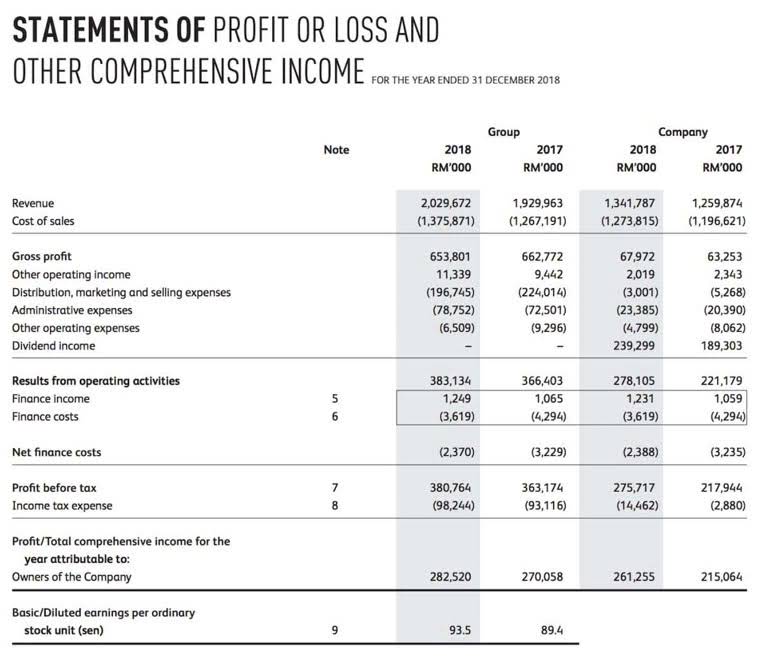
- Revenue appears at the top line of the income statement, showing the total amount of money earned from sales or other business activities.
- HighRadius’ Record to Report (R2R) solutions provide organizations with end-to-end capabilities to streamline and automate various accounting processes and achieve 95% journal posting automation.
- A chart of accounts (COA) lists all the general ledger accounts that an organization uses to organize its financial transactions systematically.
These chart of accounts templates are crucial for effective accounting and financial management, providing a consistent framework for recording and tracking every proposed or completed transaction. Before you start, it’s important to keep in mind that your chart of accounts should reflect the unique financial needs and structure of your business. You should also consider the future growth and potential changes to the COA.

Defining Account Categories:
These standards provide guidelines for financial reporting, including the structure of the COA. As mentioned, besides the standard five accounts, the https://balele.co.za/what-is-vertical-analysis-process-examples/ chart of accounts may contain additional accounts, created for the sake of more granularity or to cater to a business’s particular needs. They can vary, but the most typical here are the COGS, gains and losses, and other comprehensive income accounts.
Comentarios recientes